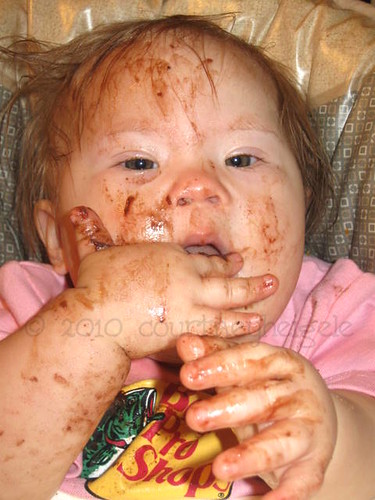
Tina in TX. Must be beginners luck, :-) Tina, email me and I will get your gift out to you.
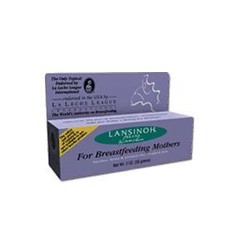 There is a good possibility that my breast feeding days would have been over early on if not for Lansinoh lanolin nursing cream. In the beginning, even if you are doing it right, breast feeding can be extremely painful on the nipples. This cream makes a real difference and it doesn’t have to be washed off prior to nursing. If you are pregnant and thinking of nursing, get some. The hospital you deliver in will probably have travel size tubes of it, so make sure you remember to ask for it.
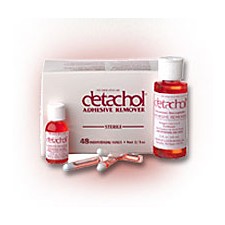 One of our favorite nurses gave us a bottle of detachol to take home, a PICU parting gift. This magical goo removes anything that gets stuck to your baby’s skin or hair. Band-aids, electrode stickies, medical tape, tree sap, gum... you name it, detachol will get it off pain free.
 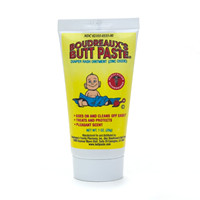 I’m not sure why this diaper rash cream seems to work better than the rest, but my babies’ bottoms have sworn by it for years. It looks like mud, smells pretty, and clears up irritated skin in record time. For an almost free sample (you pay postage) visit buttpaste.com.
 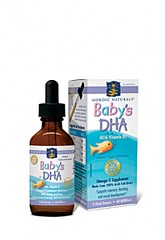 I have written about the wonders of DHA/Omega 3 oil in the past. Since then Nordic Naturals has introduced a DHA product designed for infants. It comes in an easy dose bottle and is unflavored (though I am not sure if that’s a good thing with fish oil, lol).
  Babies with Down syndrome respond well to body massage and therapeutic touch. There are a lot of massage lotions and oils on the market but I prefer to use coconut oil because it doesn’t clog pores and has a very low allergy risk compared with other nut oils. It doesn’t leave baby’s skin greasy and it doesn’t stain clothes. It smells delicious (if you like coconut :-), has a long shelf life, and protects against dry skin. As if all that weren’t enough, there are even Internet rumors that coconut oil is beneficial against alzheimer’s disease.
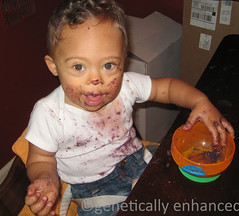 Babies are notoriously messy eaters. They figure out right away that throwing, squishing, and spitting food is fun. It takes a while to get good hand/eye coordination going and as they practice there are plenty of misses resulting in food in the eyebrows, hair, ears... you name it.
 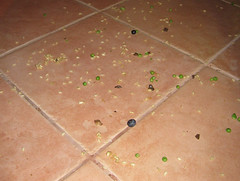 Then there is the lack of solid motor-planning which means cups and utensils often end up on the floor. Picking an object up does not require the same skills as putting it back down, and for some reason learning to place items back on the tray does not seem high on a baby’s priority list.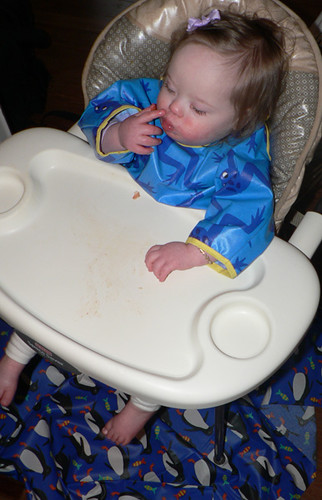
 Whenever possible (usually at lunchtime) I place a feeding mirror in front of Summer while she eats so that she can see herself eating. The speech therapist said this is supposed to help her visualize what she is doing. Make sure the mirror is out of reach, or that will end up on the floor too!
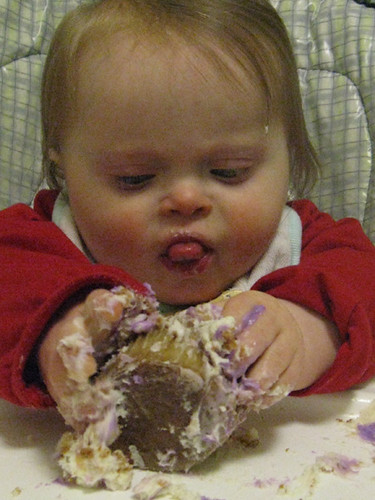 As mentioned before, setting items down requires different skills than picking items up. Teach your child how to release his grip on his spoon or cup and to place it back on his tray. Many times babies throw their utensils simply because they haven’t the motor-plan for any other method of releasing them. You can teach “set down” by using a hand-over-hand motion with your baby and gently tapping the spoon/cup onto his tray so he can hear and feel as well as see where it goes.